

How to Optimize Your Blog Content for Pinterest Users
Are you looking for a way to make sure Pinterest users stay on your site for longer? Today we’ll cover best practices for how to optimize your blog content for Pinterest. Chances are you’re doing a better job than you think already, but we’re gonna go ahead and cover the ways I tell my clients to optimize their blog content.
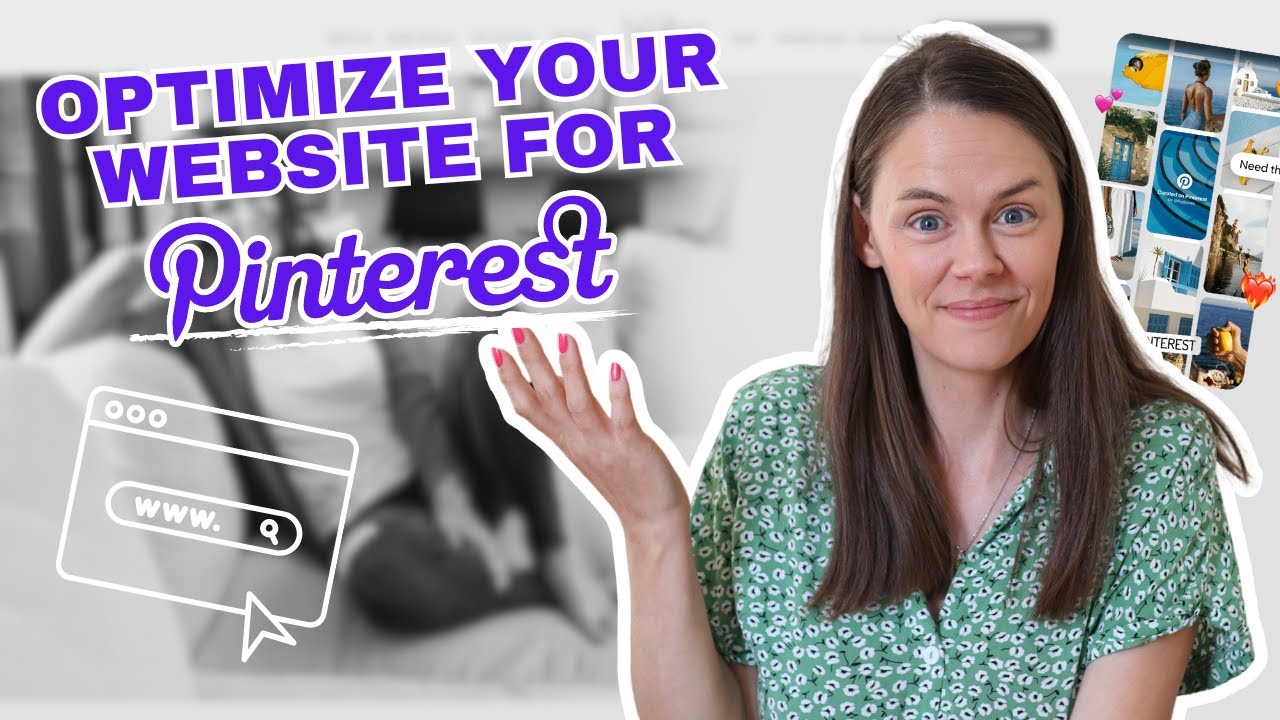
Creating the content isn’t enough anymore. We all know it takes way longer than it should to write a blog post, so doing it all the right way from the start is essential. Here’s what you can do to ensure you optimize your blog content for Pinterest users.
What to consider when you optimize your blog content for Pinterest users
When I’m creating content for my blogs, to me it’s vital that it does well for both Google SEO and Pinterest. Those are my 2 traffic sources and I want users to find me in those places. But they both have different SEO strategies.
- Creating multiple images worthy for Pinterest
- Using social sharing buttons
- Optimizing your Pinterest pins with researched keywords
- Enable Rich Pins
- Easy readability with headers and lists
- Clear call to action
- Optimized for user experience
We’ll cover each of these for making sure your blog content for Pinterest is optimized and smooth to create a better experience for your audience.
RELATED: A Super Simple Pinterest Strategy for Bloggers
Create multiple images designed for Pinterest
Having multiple images is a great way to attract multiple eyes to your pin. Doing this not only attracts more people but everyone has a different eye for things. They see color, font and images differently. So when I create images for posts I like to create a few various styles. Plus it’s a built in A/B test to see which pin styles work best in your analytics later.
Your blog post’s featured image likely isn’t the right size for Pinterest. A few tips here to make your images work for both your blog and Pinterest:
- Compress your images so they load faster, but keep them a high quality PNG file. You can use a plugin on WordPress that auto compresses for you.
- Use vertical images, not square or landscape. The standard Pinterest pin size is 1000×1500 pixels.
- Have text overlay on your images so viewers are clear on what the blog post is about.
- Embed your images right into your blog posts. Lots of creators have them right at the top. I prefer mine at the bottom.
RELATED: How to Create Pins for Pinterest in Canva: An Image Workflow to Save Time
Use social sharing buttons
I like to use social sharing buttons to make it easier for my readers to share my content. If they read it and liked it then they will feel good about sharing. So make it a no-brainer for them and give them sharing options.
I prefer to use Social Warfare for my sharing plugin because it’s an all in one. As long as you set your settings up right you will have a built-in “pin it” button on your images. This way readers can share your blog to socials like Facebook, but also pin the images you’ve embedded to their Pinterest boards.

I like to include sharing buttons above and below my blog posts. I think on mobile they also have buttons that float at the bottom of the screen so they’re always visible. The “pin it” option will appear on your embedded pin images too.
RELATED: The Best Pinterest & Social Sharing Plugins for WordPress
Optimize your pins and blog posts with researched keywords
Here’s the catch when you create multiple pins for your posts, there are two different places you need to optimize their descriptions and keywords. You DON’T want to use your ALT text for your Pinterest description, that is primarily for your Google SEO keywords.
Speaking primarily about WordPress websites, you need to insert your optimized pin descriptions and alt text into the pin image meta details within your website’s Media library, AND also within the Social Warfare setting on each individual post. Otherwise, a reader could pin your post and have no pin title or description come through when they share it elsewhere.

You may need the Pro version of Social Warfare in order to specify multiple pin images to optimize. The catch is though, you can only specify a single pin description for all of the images. Since they go to the same blog post, that likely is fine. Your descriptions can have many keywords in them so you’ll get everything covered if you write them well.

RELATED: How to Write Your Pinterest Descriptions to Get More Clicks & Rank Higher
Enable Rich Pins
Rich Pins is an enhanced schema markup that Pinterest can show viewers if you have it setup for your content. It pulls in extra details from your URL and displays them in addition to the description. This is great for blog articles, recipe posts, and product listings. You’ll see prices, ingredients, etc. depending on the pin and how you optimize your content.

There are a few different ways to set this up. This is easily done for websites like Shopify because it’s automatic. If you have a shop there, make sure this is all enabled in your settings. It is also really easy to do for WordPress websites if you use a plugin like Yoast or Social Warfare. You can just go into the settings of either and turn a couple of things on and you’re good to go.
Now for Squarespace or other websites, you will need to visit the Pinterest Help Data for full instructions. Here is an example of enhanced rich pins and what viewers will see because it’s setup right.
RELATED: How to Enable Rich Pins for Your Website (WordPress, SquareSpace & Shopify)
Use headers and lists for easy readability
Web visitors these days are skimmers. They don’t want to be inundated with long-form content that isn’t broken up by headers or lists. They want those meaty posts but not when it looks like a college paper. Just the gist of your post and they want it now. So make it easy for them to skim.
Use your headers for keywords to help you rank for Google SEO as well. Don’t go overboard with keywords in your headings but do use that real estate wisely. There is such thing as keyword stuffing in a keyword strategy, which is the last thing we want.
Leave a clear CTA to opt into your list
Always use a call to action in your posts. What do you want them to do? Call to actions can include embedded forms above the fold, in the sidebar, sticky bars at the top of your site, pop-ups and a CTA at the very end of the written text on your post. Make sure they are consistent and test them to see what works better for your audience.
I have various opt-ins in multiple places across my blog posts and website pages, depending on the content and topic. Once you have readers on your list, you can bring them back to your blog over and over again with your emails and newsletters. If there’s no call to actions, they won’t know what is next and will likely abandon your blog entirely.
RELATED: How to Use Pinterest to Grow Your Email List (The Ultimate Guide)
Optimized user experience
This should go unsaid but a lot of people don’t do this STILL, even though mobile views account for the majority of all Pinterest users. Make sure your pins look good on mobile and your blog posts read well on that small screen. If not then you will chase users off immediately.
Make sure you’re optimizing for mobile users. This includes incessant popups. I cannot tell you how many sites I leave because a popup will attack my screen with no obvious way to get out of it. Bye-bye. Just make sure your site theme and design will adjust for every device. Then always review what you post on desktop and phone to double check.
Final thoughts on how to optimize your blog content for Pinterest
Some of these things only require a one time setup and you’re good. But others need to be worked into your regular creation and posting strategy with your blog content and your pins. Have a checklist each time you post or move through your processes so the details aren’t missed.
If you’re ready to take your Pinterest marketing to the next level join us in Pin Profit Academy. Not only will you have all the systems, techniques and processes provided for you with your content and Pinterest marketing, you’ll receive personalized guidance from me and our community. See you inside!
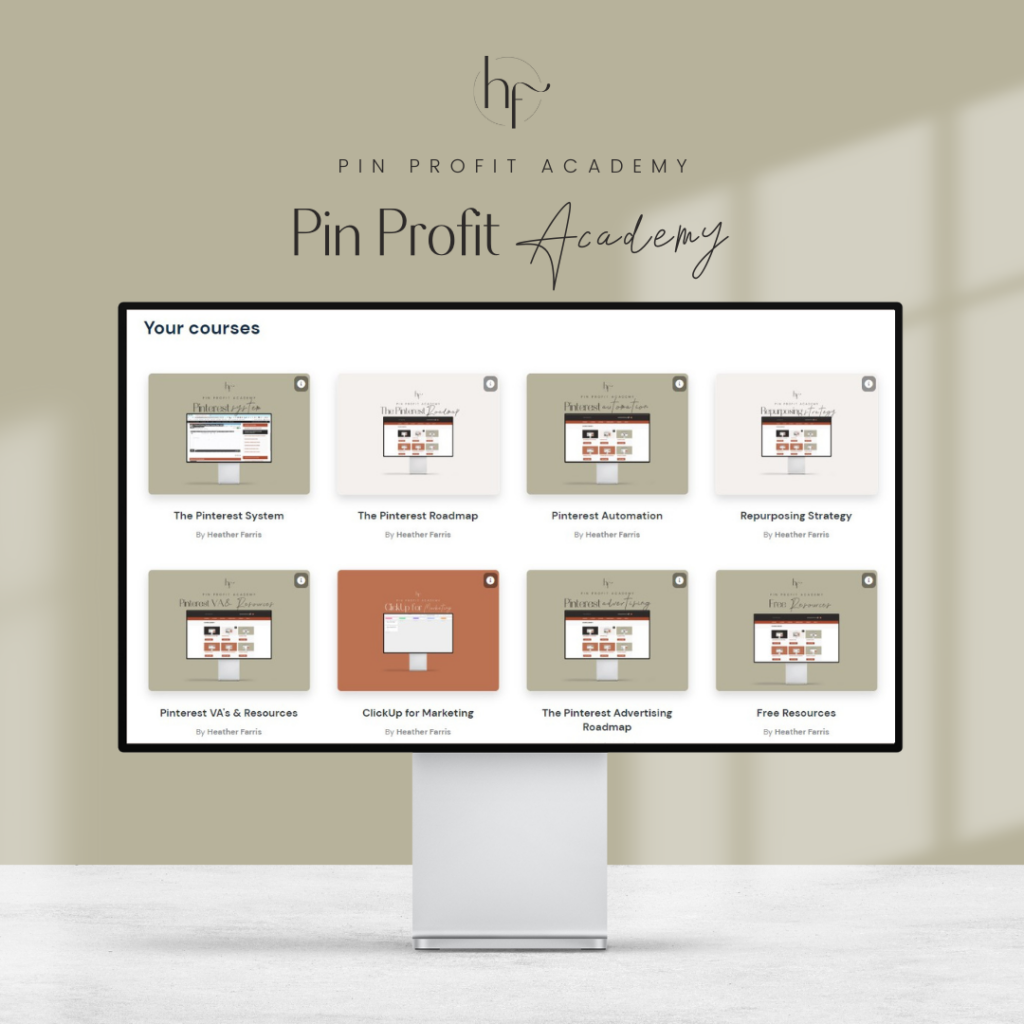
Pin Profit Academy
Marketing can be difficult and trying to figure it out on your own, especially with Pinterest, can be overwhelming.
I will show you how to double your traffic and sales without spending another minute on social media!
PPA is the only comprehensive membership program & community for creating, marketing & selling your products & services using Pinterest.
Pin It For Later


Heather Farris went to school for accounting and worked for years in banking and finance. After finding all of that entirely too boring she started her first blog in her basement in August of 2016. She has started 3 blogs in the marketing, motherhood and travel niches and used Pinterest to grow them all. She quickly became the go-to Pinterest strategist in her peer circles and has been implementing strategies, driving traffic and sales through organic and paid tactics for her clients. On this blog and her YouTube channel, as a renowned Pinterest marketing expert, she educates the public about clear and transparent marketing strategies to help them to grow on Pinterest and in other places online. She created Pin Profit Academy and helps small business owners just like you to master their Pinterest marketing strategy. Heather is now a Pinterest Educator, one of the very few sponsored by Pinterest.