

How to Make Pinterest Product Pins that Convert
Most people make one product pin… and then wonder why nothing converts. In today’s post, I’m breaking down the three types of Pinterest product pins you should be making.
If you want clicks, saves, and sales on pins that convert, you need to know that not every pin is meant to sell. Some are meant to clarify, some are meant to inspire, and some are meant to help your audience decide.
Let’s cover the strategy behind product pins that convert and how you can employ this into your own e-commerce Pinterest marketing strategy.
What a Pinterest product pin is not
First we need to define what a Pinterest product pin is not, and why. Pinterest products pins are not:
- Product on white background
- Instagram graphics
If you are only making pins where your product is on a white background and you’re not seeing engagement, that could be a big part of your problem.
Product pins on Pinterest are not just Instagram graphics either. I know we talk a lot about claiming your Instagram account with Pinterest. But Instagram and Pinterest ultimately are different marketing platforms with a different purpose and user intent behind them.
RELATED: How to Claim Your Instagram Account on Pinterest
How Pinterest product pins work for e-commerce
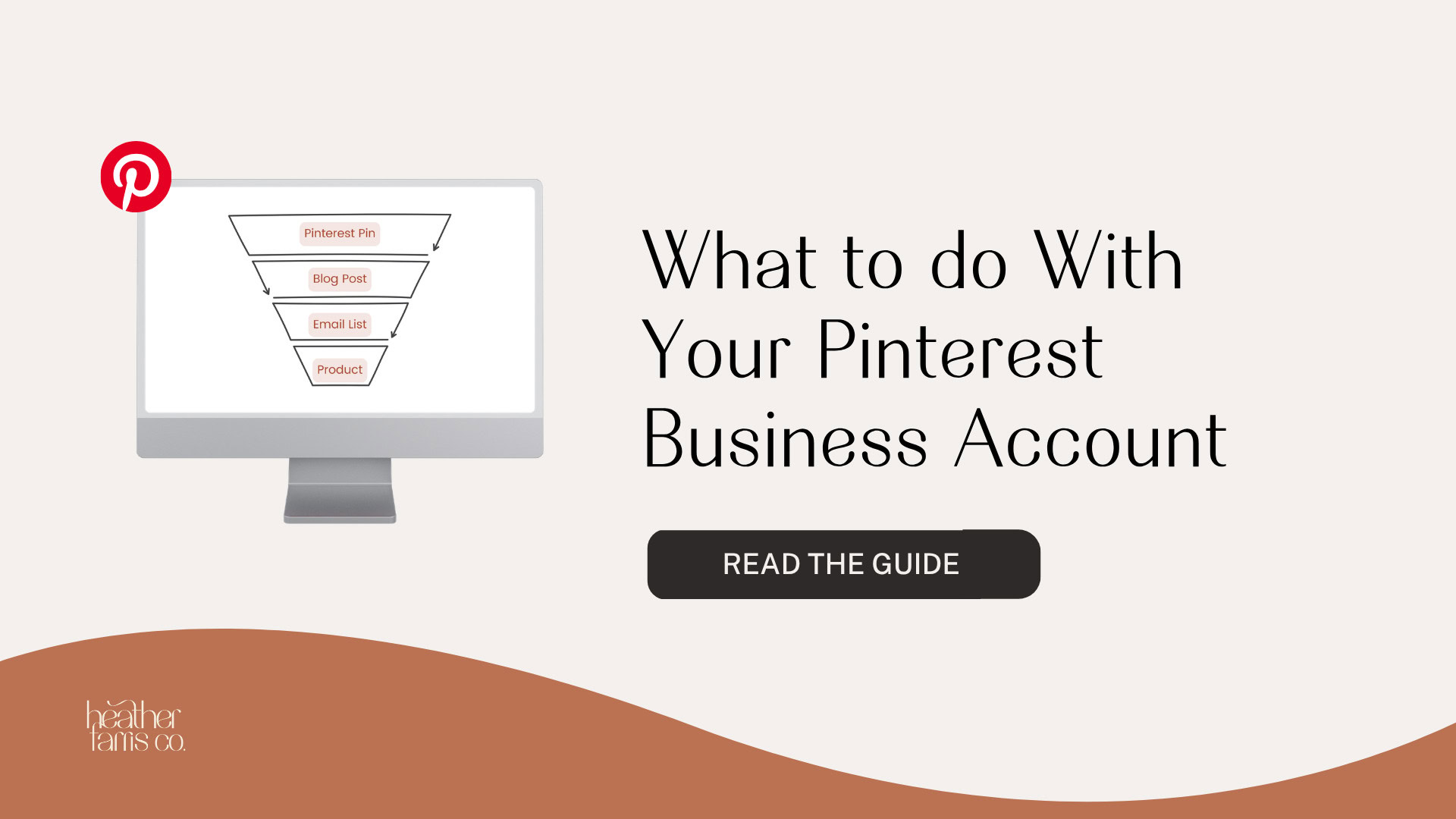
Product pins on Pinterest actually sit somewhere between inspiration, search, and decision-making. Pinterest is a full funnel marketing platform. It is a platform that drives a ton of traffic to external websites, including e-commerce businesses like yours.
This applies to all product sellers, both physical and digital. Today’s examples of actual product pins are very much physical products because I have previously made a lot more content for digital product sellers. But all of these concepts will apply to both types.
RELATED: My Simple Content Strategy For Digital Products

Pinterest Product Pin Templates
These Pinterest templates for Canva are fully editable and can be branded to your businesses with a click of a button.
If you want traffic don’t rely on something just whipped up! Speed up your pin creation by using templates designed by a Pinterest expert to get more pins out faster and more often.
Three types of Pinterest product pins
There are three types of pins that you should make in your e-commerce product strategy for Pinterest.
- Product forward pins
- Lifestyle or use case pins
- Comparison pins
Will cover the purposes of each of these and I’ll show some examples. Plus how to make each one well.
RELATED: 3 Types of Pinterest Content For Your Marketing Strategy
Product forward pins
The first one is product forward pins. Product forward pins are really designed to help people:
- See the product directly
- Sell the feeling of having it
- Text overlay to index well in search results
These kinds of pins can be in a lifestyle setting, helping to imagine the moment of having it or using it. The draw is to the product, not just facets of the whole image in the ‘scene’. For example, this moisturizer bottle fits that entire mold.

So if someone’s actually searching for, let’s say it’s a skincare product, then in this example with the text overlay on the actual image, Pinterest can index the text. It really helps to answer the question from the viewer’s perspective of “What is this?” Helps them to imagine the moment, not just the purchase.
This next example is also a product pin and with a hero shot. It takes out background imagery and is more brand styled, but the product is the focus. It also has a box for a really strong call to action. Instead of ‘Learn more’, it could become ‘Shop now’ or ‘Buy here’.

RELATED: How To Make Pinterest Pins For Physical Products
Lifestyle or use case pins
The next format of Pinterest products pins are lifestyle, or use case type pin format. The first example above is surely lifestyle too, and you’ll be creating pins that fit multiple types or needs. That is totally fine and happens naturally because we know our products and how we want people to see them.
Lifestyle type pins drive emotional connection. It helps to encourage saves but also can help the viewer to imagine ownership. This previous one, along with these two sets of women using a product, these are selling a feeling, a routine, a ritual, a moment, a lifestyle.

We’re not just selling products. We’re selling health, wealth, and positive relationships. Nothing really about these images is directly asking for an immediate purchase. They’re more asking the viewer to save and imagine themselves in this moment with this product. An identity as a result of having the product.
The presence of an actual human holding a product in a scene is what drives that emotional connection. If you’re selling products that you can’t physically hold in your hands, place people in those scenes with your products. and that helps to bring the human element in.
RELATED: 3 Pinterest Tactics for Etsy Store Owners to Increase Sales
Comparison pins
The last example of Pinterest product pins is a comparison pin. This is typically where we feature one or more shots of our products on the same image, in the same pin, and we allow people to decide.
This is called consideration and is the middle of the road of the customer journey. This pin type doesn’t push one specific product or one specific outcome. It helps people to decide between products, a “this vs that” option. They help people choose, but they can also help people to reduce hesitation.

For example, a skincare brand could have multiple different moisturizers, washes, or serums, etc. All of these could be shown as a general spread on a pin, or two options compared, contrasted, or coupled on a product pin, lots of options here.
They can stop people in their tracks and urge them to go back and look at another product, or your product again. Does it have this feature, that feature? This ingredient, that ingredient? Does it do this for me or not? It helps them to build confidence and ultimately decide, which, in essence, is a really great part of your overall strategy.
RELATED: Pinterest Best Practices to Get More Traffic & Sales
How Pinterest product pins support the customer journey
Now let’s talk about these different types of pins altogether and how they support your customer’s entire journey, and in return, your business.
- Product forward pins build clarity and search, more impressions
- Lifestyle pins help create an emotional connection, which drives saves
- Comparison pins support decisions, driving converting clickthroughs
One pin rarely drives all of the conversions, or all three states. Just making one pin for one product isn’t really going to do it, just like one product option from a single brand in a brick and mortar store. But a set of pins supports the overall customer journey and helps them to see your product differently for themselves.
When any type of engagement happens for a viewer on a single pin, Pinterest is then going to turn on that engagement for your account, sending more of your pins to their feeds. Then they will start seeing all types of your product pins. But you can’t expect good conversions over time from only a single type of pin, even if one or a few of them convert well.
RELATED: How Pinners Discover New Content on Pinterest
Common mistakes to avoid
Let’s do a really quick list of common mistakes to avoid when making Pinterest product pins. I do not recommend:
- only making lifestyle pins
- only making catalog pins with products on white backgrounds
- making only one pin per product
- overdesigning your pins
- skipping over comparison altogether
Yes, we loosely covered these already, but just wanted to spell it out clear for reference.
RELATED: Pinterest Mistakes Holding You Back From Success
Final thoughts on Pinterest product pins that convert
When you have Pinterest product pins that cover these three different areas of a customer’s journey, you’ll see more clicks, saves, and sales conversions as a whole overall. But it’s just one part of your entire Pinterest marketing strategy.
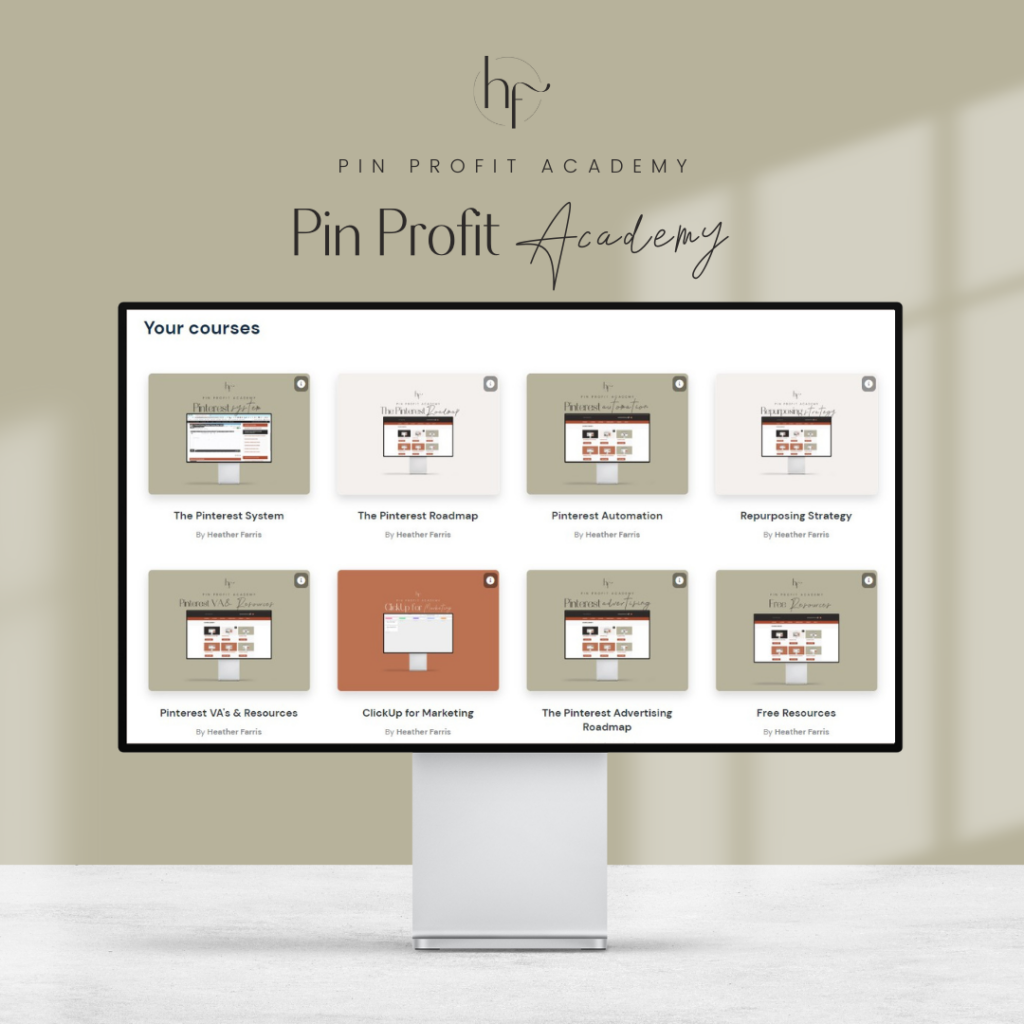
In order to be successful on Pinterest, especially as an e-commerce business owner, access our entire Pin Profit Academy library of support. Access every course, template, and project resource you need to have a great Pinterest marketing system. Plus, enjoy 1-on-1 support from me and our whole community. Would love to see you inside!
Pin Profit Academy
Marketing can be difficult and trying to figure it out on your own, especially with Pinterest, can be overwhelming.
I will show you how to double your traffic and sales without spending another minute on social media!
PPA is the only comprehensive membership program & community for creating, marketing & selling your products & services using Pinterest.
Pin it for later


Heather Farris went to school for accounting and worked for years in banking and finance. After finding all of that entirely too boring she started her first blog in her basement in August of 2016. She has started 3 blogs in the marketing, motherhood and travel niches and used Pinterest to grow them all. She quickly became the go-to Pinterest strategist in her peer circles and has been implementing strategies, driving traffic and sales through organic and paid tactics for her clients. On this blog and her YouTube channel, as a renowned Pinterest marketing expert, she educates the public about clear and transparent marketing strategies to help them to grow on Pinterest and in other places online. She created Pin Profit Academy and helps small business owners just like you to master their Pinterest marketing strategy. Heather is now a Pinterest Educator, one of the very few sponsored by Pinterest.