

How Often You Should Pin on Pinterest
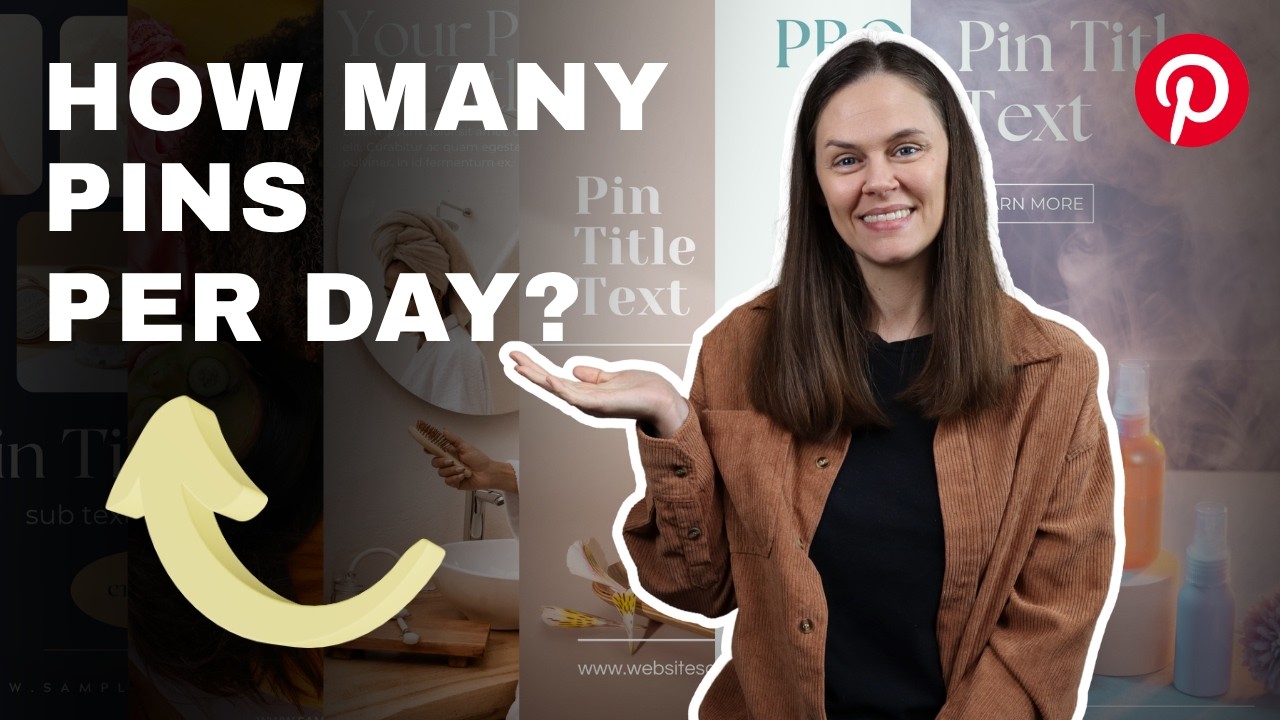
One of the most common questions I get is how often we should pin on Pinterest. But that question is usually hiding about four more questions:
- How many pins should I post each day?
- How often can I re-pin the same URL?
- Does scheduling them with a scheduling tool affect performance?
- How often do I need to create new images?
The truth is these are not separate questions. They are part of how Pinterest distributes your content over time, and ultimately the same question. It’s just answered in many different ways.
Today we’re going to cover how Pinterest actually handles your URLs, the pins themselves, scheduling, and more to make this an effective part of your Pinterest marketing strategy.
How Pinterest ranks your pins
Pinterest ranks your pins as a whole, not your URLs. Pinterest indexes your pins individually, not based on how many pins you have per URL. I have an example here where you can see this in action.
I did a basic search for ‘chocolate chip cookies’ and here are the immediate search results that came up. I’ve pointed out four pins for a reason.

There are two different creators that have multiple results for the same exact keyword, showing up twice. You can see in yellow, there are two pins from a creator named Sarah Fennel. Then in the purple color, there are two pins that are ranking from Ambitious Kitchen.
Both of them link to their own same recipe, both of them rank for the same keyword, and they are taking up multiple spots at the very top of the search results. And this is for an arguably very broad and saturated keyword, ‘chocolate chip cookies’.
RELATED: How to Write Your Pinterest Descriptions to Get More Clicks & Rank Higher
Lots of content per URL
Multiple pins can rank for the same URL, and this is totally normal behavior for Pinterest. These two creators aren’t being penalized for having multiple pins going to the same link. One creator’s blog post might generate 10 to 30 different pins over time, or more.
Each pin truly creates a new opportunity for you to find and use a new keyword, or slightly different keywords, and rank for something new, broadening your search discoverability and your audience over time.
RELATED: How Pinners Discover New Content on Pinterest
Using keywords strategically for every pin on Pinterest
Imagine a skin care company that sells a line of skin care products has a blog post, and that blog post is how to build a simple skin care routine for sensitive skin. That one blog post could support tens, even hundreds of pins, because there are lots of different ways that people are searching for skin care routines.
- A simple skin care routine for sensitive skin.
- Basic skin care routine for glowing skin.
- Skin care routine for dry sensitive skin.
- Daily skin care routine steps.
There are lots of different conditions that make skin sensitive, the audience themselves are going to be self-selecting with their searching, depending on their needs.
RELATED: How to Use Keywords to Optimize Your Pins on Pinterest
Creating discovery pathways with every pin on Pinterest
Every one of those pins, if you were to create a pin for those keywords (and more), could link to the exact same blog post. Every pin on Pinterest is a new opportunity leading to your single post or product listing.
You could post those pins once a week for 8 weeks, twice a week for 4 weeks. You could post them once a month for 8 months if you wanted to. It doesn’t really matter. The spacing ultimately does not matter. But it gives you content and opportunity for a long period of time.
What matters is the discovery pathways that you’re creating with your keyword research. And the varying keywords that you discover, bring you new audiences every time because they have different needs. While you have the single solution with that one URL.
RELATED: I Tested Pinterest Approved Schedulers So You Don’t Have To
Pin volume and fresh pins details
Let’s talk about how this connects to pin volume more specifically. People ultimately want to pin as much as they can without having to create more content, have great results, but without being flagged as spam.
For sure, always create fresh pins no matter what, don’t reuse or repin old pins. Ultimately, there’s no universal magic number of how many pins per day, or how many pins per URL. There just isn’t a guideline or data-backed number on those things with Pinterest.
What matters more is really keyword usage and how many opportunities you are presenting for that URL. This is why I tell you to make fresh pins. Even if you have one blog post or if you have 10 blog posts, how many different keywords are people searching for related to that one URL, that you could use and multiply the number of pins?
RELATED: Why Create Fresh Pins for Pinterest Using Canva
Pin spacing and distribution
Let’s talk about another issue that comes up when we have this conversation about how often you should pin on Pinterest: pin spacing and why it matters.
- Can I pin the same URL multiple times a day? Of course, you can, but be aware of how many times.
- Well, how many times per day, even with multiple URLs? To that, my answer is always, how many high quality pins can you make?
- How many will get me banned for spam? Don’t pin them all on the same day. Spread them out.
- What if I don’t have very many URLs? That’s okay, even 1-2 pins per day is fine, it’s the consistency that matters.
You can see where this conversation kind of goes in circles. Spacing pins really helps Pinterest to distribute your content to new audiences, but it also helps you to show up consistently on the platform without gaps in distribution. Pinterest wants to see fresh images and consistency, not a regulation on volume; they’ve told us this for years.
The new content, the new imagery, the new keywords helps to index you further, helps to diversify your keyword search discovery capability. If someone publishes 10 pins to the same URL in one day, it’s going to look a lot spammier than if you were to publish 10 pins over 5 weeks to the same URL.
RELATED: How Often Can You Pin the Same URL to Pinterest Without Being Spammy?
Example creating multiple pins for one piece of content
Back to the skin care brand example, if they’re focused on creating just one graphic for the sensitive skin care routine blog, then distribution’s not going to be very good. But if they create pin graphics for:
- An infographic showing the entire routine
- Educational pin for the ingredients for sensitive skin
- Product pins for sensitive skin
- Recommendations for routine guidance, like morning or night time routines
Even just those four different pins are using different keywords, targeting different people in the audience, using different images… They’re getting distributed out routinely with your scheduling and reaching massively more viewers and strengthening your traffic.
RELATED: 3 Types of Pinterest Content For Your Marketing Strategy
Saving to multiple boards
Every single new pin on Pinterest that you make creates another opportunity to put you in front of the right audience. So why wouldn’t you want to make more pins instead of just saving the same pin over and over?
There’s really no point in saving the same pin to multiple boards. Just create more pins. Pinterest doesn’t love duplication when it comes to the pin images themselves, pinning the same pin to multiple boards makes copies.
I know it was a big thing back in the day, pinning to every possible board. But it’s not a wise tactic. A few boards for a really quality pin, sure, that’s fine. Just don’t make it a regular practice with everything.
RELATED: The Ultimate Guide to Create Your Pinterest Board Strategy
Scheduling tools and pin performance
A lot of people wonder if using scheduling tools will help or hurt their Pinterest strategy when it comes to this kind of distribution. Especially if they go and make, let’s say, 10 pins for one URL.
- How are we going to schedule those out?
- What does the distribution look like this way?
- Does using a certain scheduler penalize me?
When you’re using the native Pinterest scheduler, the free one, you’re limited to 30 days of scheduling in advance. When you’re using a third-party scheduler like Tailwind, for example, then you can schedule for months or even years in advance.
Pinterest doesn’t penalize you for using a scheduling tool. They never have. Pinterest encourages consistent publishing because they’re a marketing platform. Every marketing platform is going to encourage and reward consistency.
RELATED: How to Bulk Schedule Pins on Pinterest for FREE
Tools for scheduling pins on Pinterest
Schedulers make it really easy for you to manage the volume that you might maintain. Some people might choose to publish five pins a day, 10 pins a day, 20 pins a day. And it’s pretty stupid to do it all manually in real time, just use a scheduler.
If you’re in the one to five pin a day mark, just use the free native scheduler on Pinterest. After you get past that five pins a day mark, I would say it makes more sense to be using paid scheduling software. And that might be where you use a tool like any of these, there are so many of them now.
RELATED: How to Bulk Schedule Pins on Pinterest for FREE
How Pinterest evaluates your pins after they’re published
When you pin on Pinterest, after your content is live, Pinterest evaluates:
- the performance of the pin
- the reach of the pin
- what the pin is doing on an individual level (relevance)
- engagement of the pin
- the keywords that you used on the pin
- the imagery that you used in the pin
All of these things are actually more important than how often you should pin on Pinterest. These details often determine how the pin does right away, the more reach it’s going to get, and how it will do over time as well.
RELATED: The Complete Pinterest Marketing Strategy I Tell My Friends
When you don’t have many URLs to pin
The one last consideration that I wanted to talk to you about, in relation to this conversation, is usually when someone asks, “How many times can I pin the same URL?” What’s really underneath is that they don’t have very many URLs to work with. And that’s okay.
If you have a few URLs and that’s what you’re working with, then make your pins and go about your day. This isn’t just a pinning issue, though. If you don’t have very many URLs, it’s a content strategy issue. Only having one or two blog posts, or just a couple product pages, is not truly an amount of content viable enough to even start marketing on Pinterest.
Most buyers really need more than that. They need a way to discover the topic, to learn more about the problem, then understand the solution, and feel ready to purchase from you. And that just simply doesn’t happen from a couple of blog posts.
So the last consideration for you to think about is to create more content. I’m not telling you that you have to go and create 200 blog posts, but I am telling you that you need more than just a few.
RELATED: 7 Things Missing in Your Pinterest Content Strategy
A simple Pinterest system
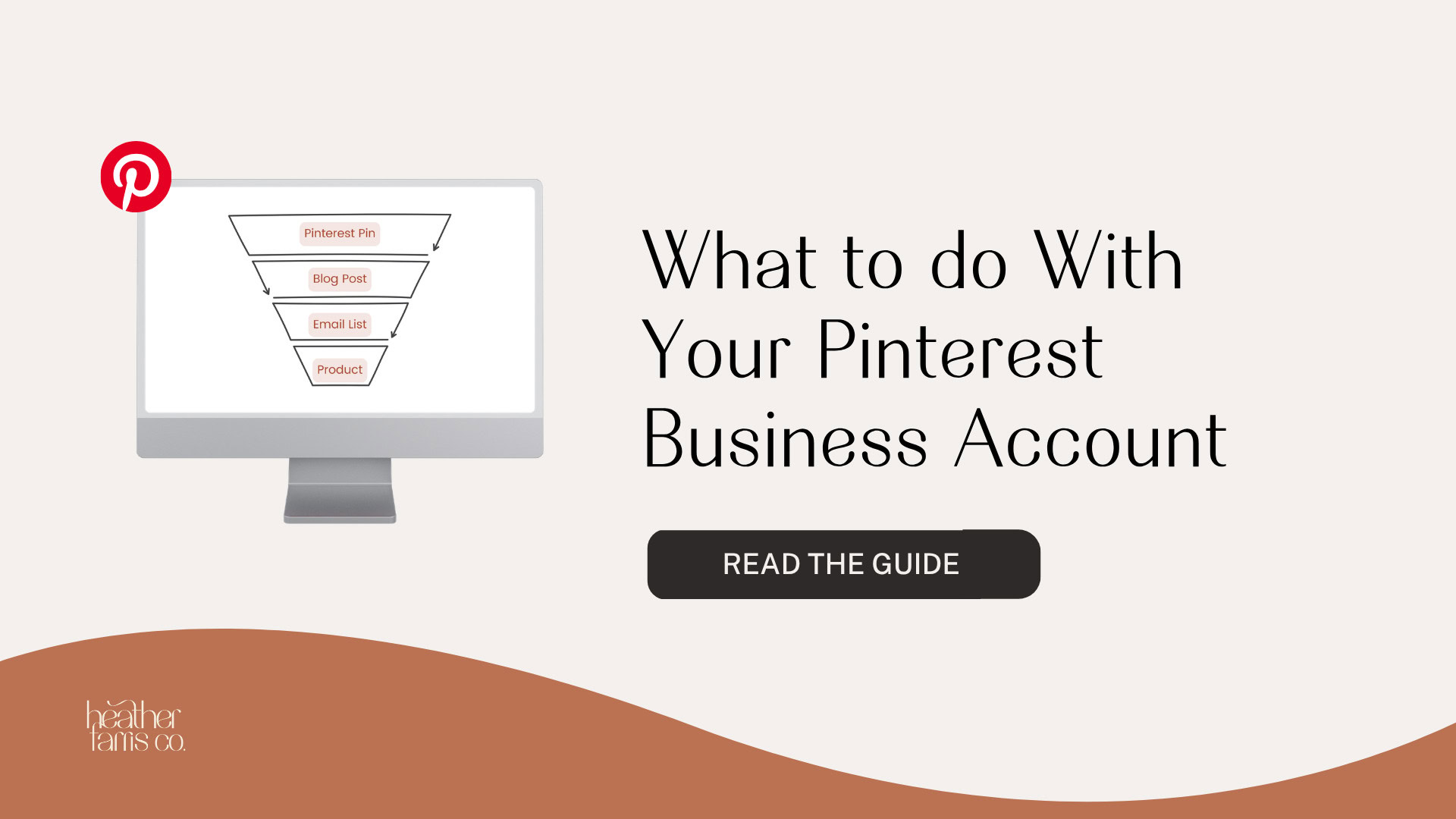
Now, let’s pull it all together. So here’s what just a really simple Pinterest system or workflow process might look like.
- Create a piece of content (product page, blog post).
- Create multiple pins for that URL (more on this below).
- Schedule those pins out overtime.
When you create multiple pins linking to that same URL, dissect that piece of content and look at all the different angles. Make pins with all the different keyword angles.
Then because you’re scheduling and pinning overtime with distinct topics with your content, Pinterest is going to recognize that authority you’ve created.

The Pinterest System
Speed up your client management processes and personal Pinterest marketing strategy with every content workflow and tracking system you need.
Track and manage your content, links, data analytics, keyword research and more! No more wasted time in your product or service business because you’ll have everything you need.
Final thoughts on how often you should pin on Pinterest
At the end of the day, it’s about creating multiple discovery points for each piece of content. This is not about me discouraging you from creating multiple pins for the same URL. In fact, I want you to do that. But do it strategically.
I’m hoping that you walk away from this video feeling empowered to create more content to pin on Pinterest. Not necessarily feeling the doom and gloom of, “Oh, no, I have to create more content.” But feeling like you want to, because it’s the right thing to do for your audience to help get them over the finish line for themselves.
If you’re ready to turn this strategy into a streamlined, repeatable system that drives traffic and sales, the next step is to join Pin Profit Academy. It’s where strategy meets execution with proven processes and systems, so you can stop guessing and start growing. We’d love to see you inside!
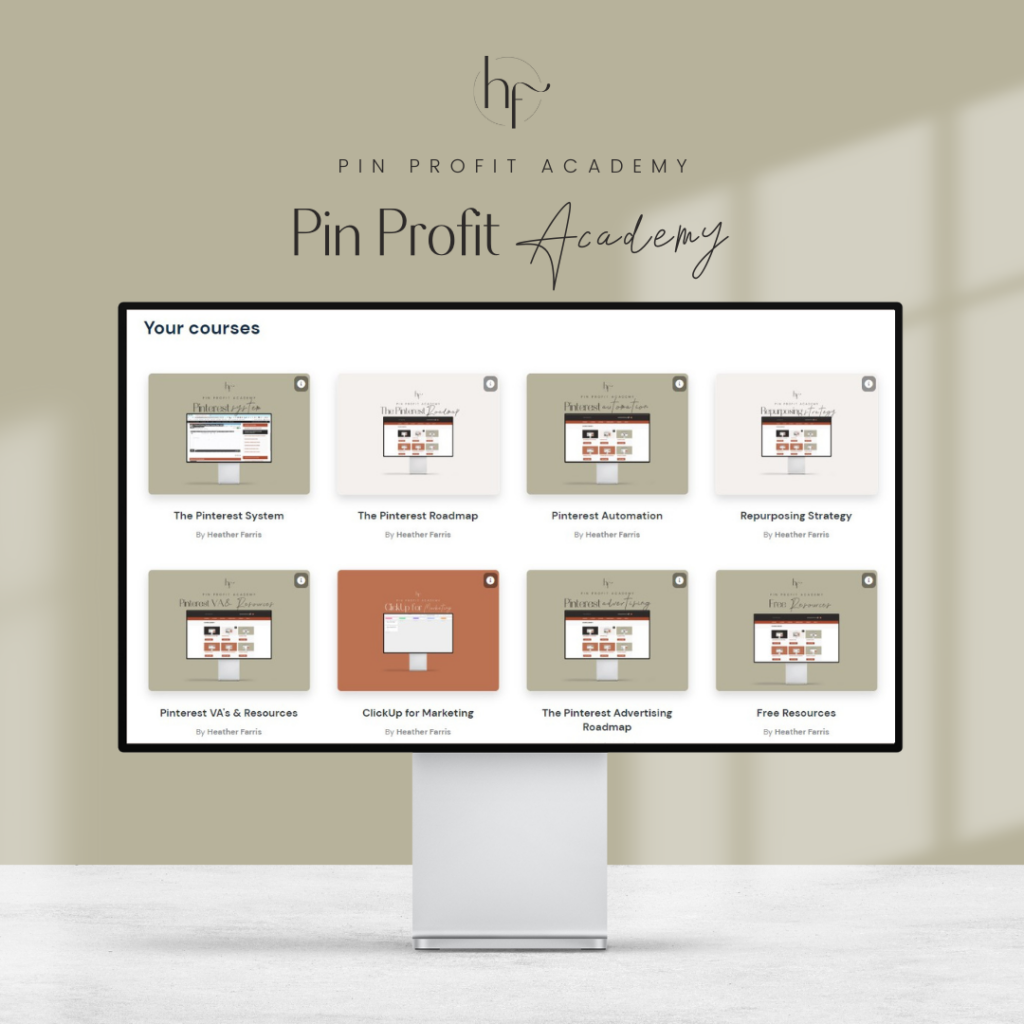
Pin Profit Academy
Marketing can be difficult and trying to figure it out on your own, especially with Pinterest, can be overwhelming.
I will show you how to double your traffic and sales without spending another minute on social media!
PPA is the only comprehensive membership program & community for creating, marketing & selling your products & services using Pinterest.
Pin it for later

Heather Farris went to school for accounting and worked for years in banking and finance. After finding all of that entirely too boring she started her first blog in her basement in August of 2016. She has started 3 blogs in the marketing, motherhood and travel niches and used Pinterest to grow them all. She quickly became the go-to Pinterest strategist in her peer circles and has been implementing strategies, driving traffic and sales through organic and paid tactics for her clients. On this blog and her YouTube channel, as a renowned Pinterest marketing expert, she educates the public about clear and transparent marketing strategies to help them to grow on Pinterest and in other places online. She created Pin Profit Academy and helps small business owners just like you to master their Pinterest marketing strategy. Heather is now a Pinterest Educator, one of the very few sponsored by Pinterest.